Baby Elephant in Jungle Redwork: A Pro Review
As an embroidery designer who spends a lot of time scrolling Creative Fabrica for fresh design assets, I am always on the lookout for patterns that balance charm with commercial viability. When a client requested a batch of baby shower gifts, I stumbled upon the Baby Elephant in Jungle Redwork by Redwork101. The listing promised a cutesy machine embroidery design perfect for nature lovers. Intrigued by the redwork style, I downloaded the embroidery file to put it through its paces for real-world handmade production.
First Impressions: The Mood of Redwork
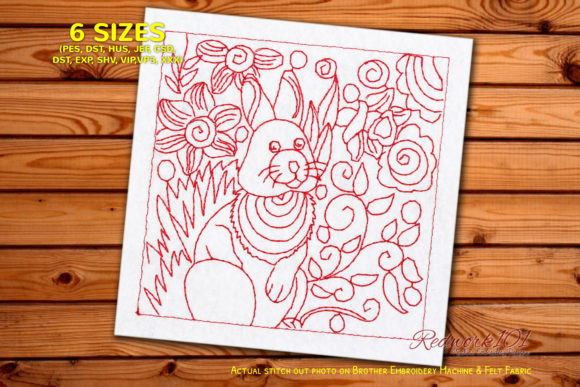
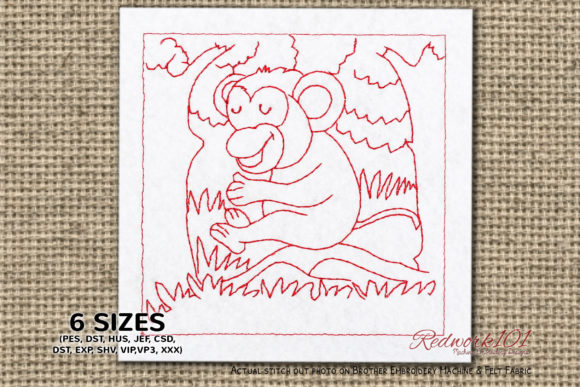
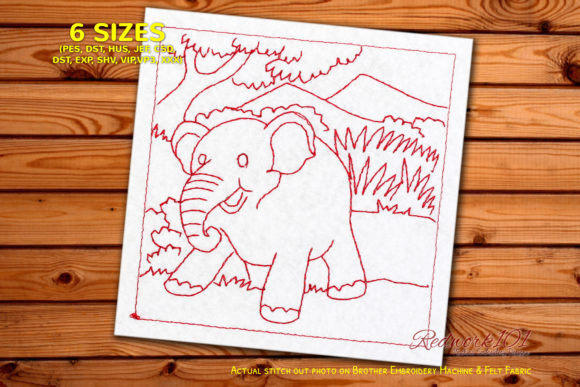
Let’s talk about the beauty of the redwork technique. Unlike modern multi-color fill stitch designs, redwork relies on simple, elegant outline stitches—traditionally in red thread. This baby elephant design captures that classic, nostalgic feel. The "cutesy" factor is genuine. The baby elephant is playful yet refined, making it suitable for both a whimsical nursery and a boutique tote bag design. The optional Stitch Box adds a nice framing element, allowing you to turn it into a self-contained piece of art. For a machine embroidery design, the simplicity is its superpower. It stitches out fast, uses minimal thread, and the visual mood is universally appealing to parents and gift-givers.
Real-World Project Applications
I tested this design on a few different blanks to see how it handled real production conditions. Here is how it performed across various project types:
- Tote Bag Design: On a heavy-duty canvas tote, the redwork popped beautifully. The running stitch and satin stitch elements handled the fabric weight well. It is a great quick product for craft fairs or a custom apparel side hustle.
- Baby Apparel & Blankets: This is where the design truly shines. On a cotton onesie and a soft flannel baby blanket, the baby elephant looked adorable. Redwork is less bulky than dense fill stitches, making it perfect for layette items and personalized gifts.
- Kitchen Towels & Aprons: For a "cute kitchen" theme or a nature-loving hostess, this design on a towel or apron is a winner. The simple lines wash well without distortion, and the stitch density is low enough to avoid puckering on the terry cloth.
- Sweatshirt Embroidery: On a mid-weight sweatshirt, the design maintained its integrity. I used a cutaway stabilizer to prevent stitching distortion on the knit fabric, and the result was a boutique-quality finished product.
- Caps & Patches: The compact nature of the design makes it viable for an embroidered patch or a curved cap surface. Always test the cap attachment to ensure the design area doesn't fold over the cap seams, but the light stitch count works well here.
Technical Deep Dive for Embroidery Designers
As an experienced designer, I look at stitch density, pull compensation, and underlay when I test a new digital embroidery file. The Baby Elephant in Jungle Redwork has been digitized with a solid understanding of the redwork aesthetic.
Hoop Size & Stitch Density: The listing does not explicitly state the exact dimensions, but redwork designs are typically digitized to fit efficiently within standard hoops. Check the file details on the Creative Fabrica product page before committing to a specific hoop size. The stitch density feels appropriate for the style. The lines are clean, and there are no overly dense satin stitch areas that would cause puckering on light fabrics.
Thread Colors: The beauty of redwork is the monochromatic palette. Classic bright red is traditional, but don’t be afraid to experiment. For a modern, subtle look, I used a deep coral and even a taupe for a "wild animals" safari vibe. The design works because it relies on the quality of the stitch path, not multiple color changes.
Stabilizer Choices: For towels, I used a tear-away with a water-soluble topper. For stretchy fabrics like onesies or sweatshirt material, a medium-weight cutaway stabilizer is non-negotiable. Because the stitch count is low, you can get away with lighter stabilizers than you would with a dense applique design.
The Strategic Value of the Optional Stitch Box
The product description mentions the "Stitch Box is optional" and the "color of the outer box is a different color." This is a crucial detail for designers and small business owners. Having the box as a separate file or optional stop gives you incredible flexibility. You can stitch the elephant alone for a modern, minimalist look on a cap or patch, or add the box for a structured, vintage postcard feel on a pillow cover or kitchen towel.
When I created my product mockups, I found the box made the design look more like a "finished product" on a wall hanging, while the standalone elephant was perfect for a small personalized gift on a baby onesie. This dual functionality increases the shelf life of the design asset in your library.
Impact on Product Value and Business Growth
Will this design help you sell finished products? Absolutely. For Etsy sellers and boutique owners, brand consistency is key. The clean, monochromatic look of this redwork elephant allows you to build a cohesive product line. Imagine a whole set of nursery decor: a baby blanket, a onesie, and a wall hanging, all featuring this design in the same vibrant red.
Handmade Presentation & Photography: Redwork has a high-end, heirloom quality. The simple, bold lines photograph incredibly well. For Etsy listings, a close-up of the redwork elephant against a cream towel or a white onesie creates a striking visual that stops the scroll. This directly impacts customer engagement and conversion rates.
Giftability: This is a perfect "gender-neutral" baby shower gift. The elephant theme is universally loved, and the nature and wild animals angle appeals to modern parents. It increases the perceived value of the handmade product.
Commercial Viability: As a commercial embroidery user, I appreciate designs that stitch out fast and reliably. This design is efficient. Lower stitch counts mean more products per hour, which directly impacts your profit margin at craft fairs or in your Etsy shop.
Practical Workflow and Embroidery Notes
Before you start stitching hundreds of these, here are some non-negotiable steps I recommend to ensure your finished product meets professional standards:
- Test on Scrap Fabric: Always use the exact fabric you plan to use for the final product. This is especially important for textured fabric like towels or linen.
- Check Thread Contrast: Redwork relies on contrast. Test it on both light and dark fabric mockups. The design is best suited for light to medium fabrics to maintain the classic redwork look.
- Review the File: Open the file in your embroidery software. Check for any jump stitches or weird overlaps. Redwork101's files are generally clean, but it is your responsibility as the producer to ensure quality.
- Size Adjustments: If you resize the design, be careful. Redwork relies on the thickness of the satin stitch and running stitch. Scaling up too much will make the lines look thin. Scaling down too much might cause the stitches to blur together.
- Verify Licensing: This is critical. The description says "Baby elephant by Redwork101 is a cutesy embroidery." You must check the specific commercial license on the Creative Fabrica product page before selling any finished items. Their licensing can vary by seller or subscription tier, and you need to respect the creator's terms.
Final Verdict: Is It Worth the Download?
The Baby Elephant in Jungle Redwork is more than just a cute design; it is a versatile, efficient, and commercially viable asset for any embroidery business. Whether you are creating custom apparel for a boutique, stocking your Etsy shop with personalized gifts, or looking for a quick-to-stitch tote bag design for a craft fair, this embroidery file delivers. It respects the art of redwork while offering the flexibility modern digital entrepreneurs need. Download it, test it, and add it to your reliable design assets for consistent, high-quality results.