Cute Footprint: A Designer's Honest Review Before Your First Stitch
First Impressions of This Embroidered Footprint Design
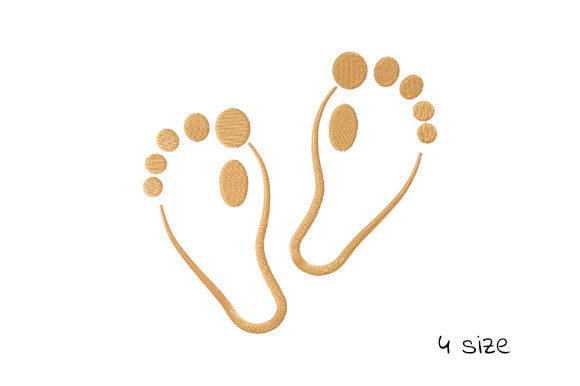
When I first opened the Cute Footprint machine embroidery design, I expected something straightforward. A footprint is a footprint, right? But after studying the shape, the stitch paths, and the overall layout, I realized this design carries more weight than a simple sole outline. The footprint motif has a quiet symbolism—it represents contact between earth and sky, between a person and something larger. That meaning translates beautifully into embroidery projects that feel personal, grounded, and intentional.
The design comes in four sizes, which immediately tells me the digitizer understood that embroiderers work across different product types. Whether you are stitching a tiny accent on a baby onesie or a bold statement on a tote bag, having size options reduces the guesswork. The visual personality of Cute Footprint leans gentle and organic rather than sharp or athletic. The toe shapes are rounded, the arch has a natural curve, and the overall impression is soft without being vague. That mood makes it suitable for baby embroidery, personalized gifts, and handmade product lines aimed at parents, grandparents, or anyone celebrating new beginnings.
Real-Life Scenario: Stitching a Custom Tote Bag for a Small Shop
I recently prepared a run of custom apparel and tote bag designs for a local boutique that wanted a subtle, meaningful motif for their spring collection. The owner wanted something that felt unisex and could work across sweatshirt embroidery, embroidered patches, and canvas totes. I recommended Cute Footprint because of its clean shape and adaptable sizing.
I hooped a medium-weight canvas tote with a tear-away stabilizer and tested the mid-size version first. The satin stitch outline came out crisp, and the fill stitch interior had even coverage without any puckering. The footprint sat about three inches long on the front pocket, which gave it presence without overwhelming the bag. After stitching five totes, I switched to a cotton sweatshirt embroidery test using the smallest size on the left chest. The result was clean and readable, even on the fleece backing. This design handled the transition from a stiff fabric to a stretchy knit without losing its shape.
If you are an Etsy seller or a craft business owner looking for a motif that works across baby embroidery, personalized gifts, and boutique branding, this is a design that earns its place in your digital library. Customers responded well to the footprint's simplicity—it felt intentional without being trendy.
How Cute Footprint Performs on Different Products
Over several weeks, I tested Cute Footprint on a range of blanks to understand where it shines and where it needs extra care. Here is what I found:
- Custom apparel and sweatshirts: The design holds up well on medium-weight knits. Use a cut-away stabilizer for stretchy fabrics to prevent the footprint from distorting during washing. The stitch density is moderate, so it does not stiffen the fabric excessively.
- Tote bags and aprons: This is where the design feels most at home. The footprint size options allow you to scale it for large front panels or small corner accents. Satin stitch edges stay sharp on cotton canvas and twill.
- Baby clothes and nursery decor: The smallest size works beautifully on onesies, bibs, and mini blankets. The organic shape complements baby embroidery projects without feeling cartoonish. Parents appreciate the subtle symbolism.
- Embroidered patches: I stitched a few patches using a heavy fill stitch and a tight running stitch border. The design digitized cleanly, and the edges trimmed well. These patches would sell well at craft fairs or as part of a digital embroidery file bundle.
- Pillow covers and tea towels: The footprint adds a gentle decorative touch to home goods. I used a medium size on a linen pillow cover, and the stitching sat flat without tunneling. For holiday embroidery or wedding gifts, this motif works as a subtle accent.
- Caps and hats: This is a trickier application. The curved surface of a cap requires careful hooping and a floating method. The smallest size fits on a cap front, but you will want to test the hoop size and stabilizer combination before committing to a batch.
Where to Use This Design Carefully
No design is perfect for every surface, and Cute Footprint has a few limitations worth noting before you invest time and thread.
Small hoop sizes and tiny details: The smallest footprint size is suitable for compact projects, but if you are working with a very small hoop, double-check that the design fits within your available stitching area. The stitch density is reasonable, but tiny versions of any footprint can lose toe definition if the fabric is too textured.
Textured or dark fabrics: On heavy fleece, boucle, or thick terry, the footprint's outline can sink into the pile. I recommend using a thread color that contrasts well with the fabric. A dark footprint on a dark background will lose its visual punch. Test it in black and white printable mockups first to see how the shape reads at a distance.
Stretchy or thin fabrics: Lightweight knits and single-layer jerseys need a good stabilizer to prevent the footprint from distorting. I used a medium-weight cut-away on a thin cotton tee, and the result was stable. Avoid using only tear-away on stretchy fabrics, as the design may pull during washing.
Layered garments and curved surfaces: If you are stitching on a hoodie pocket, a cap brim, or a side seam of a bag, test the embroidery file on a scrap piece first. The footprint's shape is simple enough to handle mild curves, but extreme angles can cause the satin stitch to shift.
Visual Appeal, Product Value, and Customer Trust
From a merchandising perspective, Cute Footprint adds a layer of thoughtfulness to any handmade product. It is not a loud design. It does not scream for attention. Instead, it invites the viewer to pause and notice the subtle shape. That quiet confidence translates well into brand consistency for small shops. When I included this design in a set of design assets for a client's small shop product line, the footprint became a recurring motif across their custom apparel, tote bag designs, and embroidered patches. Customers started recognizing the footprint as a signature element.
For Etsy sellers and creative entrepreneurs, this design supports giftability and personalized gift listings. A footprint works for baby showers, first birthdays, memorial keepsakes, and even pet projects. The symbolic meaning of contact between earth and sky adds an emotional layer that buyers notice. When you list a finished product featuring this design, you are not just selling a stitched item—you are offering a piece of meaning.
Professionalism and buyer engagement improve when your embroidery is clean, well-placed, and thoughtfully chosen. Cute Footprint delivers on that front because it is digitized with consistent stitch quality. There are no jumpy outlines or uneven fills. That reliability builds customer trust over time.
Practical Designer Notes Before You Stitch
I always recommend a few steps before committing a design to a production run. Here is my checklist for Cute Footprint:
- Test on scrap fabric first. Use the exact fabric you plan to stitch on. Check the stitch density and thread colors against your material. Adjust tension if needed.
- Check thread color contrast. The footprint shape relies on clear outlines. A low-contrast thread choice can make the design look muddy. Test it in black and white mockups to see how the shape reads.
- Confirm hoop size and machine compatibility. The design comes in four sizes, but not all hoops can accommodate the largest version. Verify your hoop size before loading the embroidery file.
- Use proper stabilizer. For most woven fabrics, a medium tear-away works. For knits and stretchy materials, switch to cut-away. For dense fill stitch areas, a heavier stabilizer prevents puckering.
- Inspect small details. The toe areas in the smallest size can lose definition on textured fabrics. If you notice any distortion, size up or switch to a smoother fabric.
- Review licensing for commercial use. Before selling finished products or digital embroidery files featuring this design, confirm the license terms. Some designs allow unlimited commercial embroidery, while others restrict resale of the digital file itself.
- Compare light and dark fabric backgrounds. The footprint looks different on white versus black. Stitch one sample on each and decide which version fits your product line better.
Final Thoughts on Cute Footprint for Your Embroidery Projects
Cute Footprint is a machine embroidery design that balances simplicity with meaning. It performs well across a range of embroidery project types, from baby embroidery to tote bag designs to custom apparel. The four size options give you flexibility, and the stitch quality holds up under real production conditions. If you are an apparel decorator, digital product seller, or hobbyist looking for a motif that resonates with customers, this design deserves a spot in your collection.
Whether you are stitching a personalized gift for a new parent, preparing a batch of embroidered patches for a craft business, or building a small shop product line around meaningful symbols, Cute Footprint delivers without fuss. Test it, trust it, and let the footprint speak for itself.