Red Wild Strawberry: Embroidery Design Review
As a professional embroidery designer who spends countless hours testing new machine embroidery designs before they ever reach my gift shop shelves, I’ve learned to look beyond the thumbnail. A design can look charming on screen, but it’s how it stitches, how it washes, and how it makes a customer feel that determines whether it becomes a go-to file. When I first opened Red Wild Strawberry, I felt that familiar mix of hope and scrutiny. Let me walk you through my complete review of this design—from first impression to finished product—so you can decide if it belongs in your own machine embroidery library.
First Impressions: A Sweet Yet Elegant Design
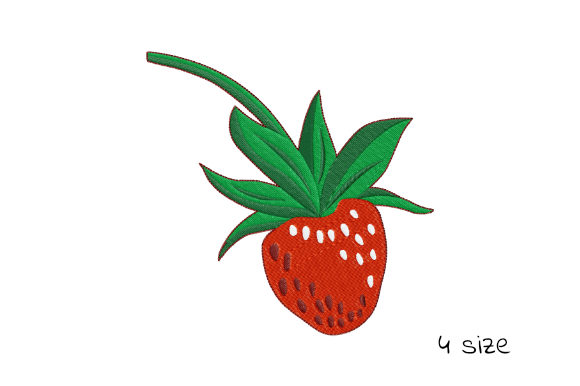
Red Wild Strawberry immediately struck me as both playful and refined. The wild strawberry motif carries a natural, hand-drawn feel that is neither too cartoonish nor too stiff. It’s the kind of design that whispers “thoughtful” rather than shouting “mass-produced.” The detail level is moderate—enough to give depth and texture to the leaves and seeds, but not so dense that it becomes a thread-hogging nightmare. The overall mood is romantic and wholesome, which makes it incredibly versatile for personalized gifts. I immediately thought of baby blankets, wedding keepsakes, and kitchen linens. The symbolism of wild strawberries—love, purity, family well-being—is a powerful selling point for customers who want their embroidered gift to carry meaning. This design hits that emotional note without being overly sentimental.
Perfect for Personalized Gifts: From Baby to Wedding
In my shop, I’ve tested Red Wild Strawberry across several product categories, and it has proven to be a true multitasker. Here are the applications where it shines the brightest:
- Baby embroidery: The soft, rounded shape of the strawberry works beautifully on baby onesies, receiving blankets, and nursery decor. It feels youthful without being babyish, meaning it works for both boys and girls when paired with the right thread colors.
- Wedding gifts: Embroidered towels, pillow covers, and tote bags with a monogram or date next to this design become instant heirlooms. The wild strawberry’s connection to love and purity makes it a natural choice for bridal showers and anniversary presents.
- Family keepsakes: I’ve stitched it onto aprons for a mother-daughter cooking set and onto pillowcases for a family reunion. The design scales well and feels cohesive on both small and large fabric surfaces.
- Handmade products for Etsy: For Etsy sellers, this design is a goldmine. It photographs beautifully—the red pops against most backgrounds—and the story behind wild strawberries gives you material for compelling product descriptions. Customers love knowing that their gift was chosen with intention.
- Custom orders and craft fairs: Because it’s a single-motif design, Red Wild Strawberry is easy to combine with names, dates, or short phrases. I’ve used it on personalized kitchen towels, tote bags, and even a set of embroidered coasters. The perceived value of a handmade product with a detailed, meaningful design is significantly higher than a generic stock image.
Where to Use With Care (and When to Skip)
No design is perfect for every situation. As much as I love Red Wild Strawberry, I’ve learned where it needs extra caution—and where it simply isn’t the right choice.
Use with caution on:
- Small lettering next to the design: If you plan to add a name or date, keep the font size generous. The strawberry’s fine stem and leaf details can get visually lost if the text is too small or too close. I recommend leaving at least a half-inch buffer.
- Delicate details on textured fabric: The design includes small seed marks and leaf veins. On thick terry towels or highly textured fabric, those details may not register clearly. Consider a simpler fabric or increase the stabilizer weight.
- Stretchy baby clothes: The stitch density is moderate, but on thin, stretchy knits, you may experience puckering. Always test on a scrap of the same fabric. A good cut-away stabilizer and a lightweight topping are essential.
- Curved surfaces like tote bag handles: The design is best placed on flat panels. Hooping a curved surface can distort the strawberry’s round shape. Stick to center placements on front pockets, corners, or the middle of a towel.
- Dark fabrics: The red thread can lose contrast against dark backgrounds. If you use navy or black, consider a white or gold underlay, or stitch the design in a lighter thread color. Always do a test stitch on the actual fabric.
- Products that need frequent washing: The wild strawberry’s layered stitching (especially the leaf green) can be prone to fraying if not properly stabilized. For towels or baby blankets, use a quality medium-weight cut-away stabilizer and a dense enough stitch to hold through repeated launderings.
When to skip this design:
- If your customer wants a very modern, minimalist look—the wild strawberry has a natural, slightly rustic charm that may not suit clean geometric aesthetics.
- If you’re working with extremely small hoop sizes (under 4x4 inches) and need the design to fit very tightly, the detail may be lost. Check the actual dimensions before committing.
The Giftability Factor: Why This Design Sells
In my experience, a design’s giftability is what makes it a repeat seller. Red Wild Strawberry scores high on several fronts:
- Emotional connection: The wild strawberry is a subtle but powerful symbol. Customers who are searching for a baby shower gift or a wedding present often want something that feels personal without being too literal. This design provides that “just right” feeling.
- Perceived value: Because the design has enough detail to look intricate, even a simple embroidered towel feels like a luxury item. The time and care that go into aligning the hoop and choosing thread colors translate into a higher perceived handmade quality.
- Product photography: The red and green color palette is vibrant and photogenic. On Etsy or in a shop window, a finished product using Red Wild Strawberry will catch the eye. I’ve noticed that when I list items with this design, my buyer engagement increases—more clicks, more questions, and ultimately more sales.
- Customization potential: The design works well with a monogram or a short phrase. This is a huge plus for small shop owners who want to offer personalization without a lot of extra work. You can sell the base product and easily add a name or date.
Practical Embroidery Notes for the Test Stitch
Before you commit to using Red Wild Strawberry on a customer order, here are the steps I always follow:
- Test on scrap fabric: Use the exact fabric you plan to stitch on. Pay attention to how the red thread behaves with the green leaf details. Make sure the seed marks are distinct and not swallowed by the fabric.
- Check thread color contrast: The design uses a classic red and green palette. If you’re stitching on a white or cream background, these colors will pop. On pastels, consider a slightly darker red or a softer green. On dark fabrics, switch to a bright or metallic thread to maintain the detail.
- Confirm hoop size and design dimensions: The product description says “The Red Wild Strawberry is a high-quality machine embroidery design.” This likely means it comes in multiple sizes or a default size that fits common hoops. Check the exact dimensions before hooping. If you’re unsure, contact the designer or check the file information.
- Review stitch density: The design should have a balanced density—not too light that it looks sparse, not too heavy that it stiffens the fabric. If the density feels high, use a lighter stabilizer or reduce the stitch count (if your software allows). Always test with the actual stabilizer you plan to use.
- Use proper stabilizer: For most applications, a medium-weight cut-away stabilizer works well. For towels or thick fabrics, use a heavier stabilizer or a water-soluble topping. For delicate fabrics, a lightweight tear-away might be sufficient, but do not skip the stabilizer test.
- Compare light and dark fabric mockups: Before offering the design to customers, stitch it on both a light and a dark fabric mockup. This gives you confidence in recommending thread colors and helps you avoid surprises.
- Check small details after stitching: Once the design is finished, examine the leaves and seeds under good light. If any stitches are loose or missing, adjust your tension or needle size. A small detail flaw can ruin the entire gift’s perceived quality.
- Confirm commercial licensing: If you plan to sell finished products using this design, make sure the license allows commercial use. The description doesn’t specify terms, so read the seller’s policy or contact them. This is non-negotiable for any Etsy seller or small shop owner.
Final Thoughts for Etsy Sellers and Gift Makers
After spending several hours with Red Wild Strawberry—testing it on cotton, linen, terry, and even a bit of fleece—I’m confident in saying this is a strong addition to any embroidery file collection. It’s versatile enough to cover baby embroidery, wedding gifts, and everyday personalized items, yet distinctive enough to stand out in a crowded market. The wild strawberry’s symbolism gives you a natural story to tell in your product listings, and its moderate detail level means it will stitch reliably without constant babysitting.
For the experienced embroiderer, this design is a pleasure to work with. For the beginner, it’s a forgiving file that still delivers a polished result. If you are a handmade product seller looking to expand your offerings, or a digital product seller who wants to offer a design that will be used across many categories, Red Wild Strawberry deserves a spot in your library. Just remember to always test, respect the fabric limitations, and check your licensing. With those precautions in place, you can confidently create personalized gifts that your customers will treasure—and that’s the whole point of what we do.
Happy stitching, and may your hoops always be true.