Happy Baby Elephant in Forest Redwork: A Designer's Review
When I first opened the Happy Baby Elephant in Forest Redwork machine embroidery design, I felt a quiet sense of delight. This is not a loud, cartoonish animal—it is gentle, charming, and deeply sweet. The redwork style gives it a classic, almost heirloom quality while keeping the mood playful and light. As someone who tests dozens of embroidery files each month for a small custom gift shop, I can tell you this design hits a lovely balance between handmade warmth and elegant simplicity. It feels both romantic and timeless, and it immediately made me think of baby showers, first birthdays, and even wedding keepsakes. If you are an Etsy seller or a small business owner looking for a design that appeals to customers who want something meaningful, not just cute, this is worth a close look.
First Impressions: Mood, Charm, and Emotional Appeal
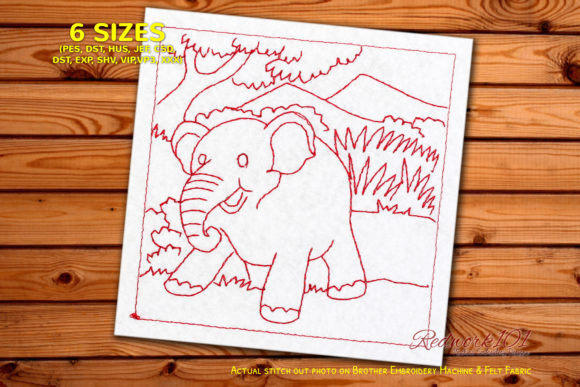
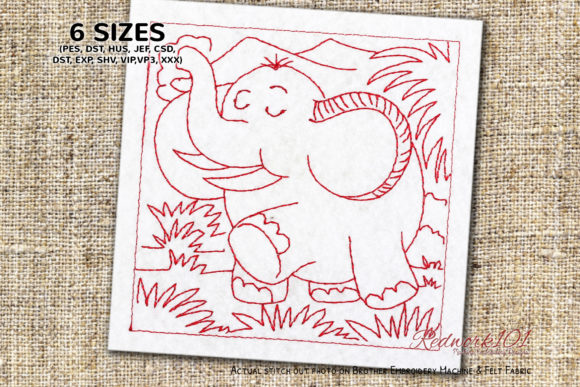
The Happy Baby Elephant in Forest Redwork design captures a soft, storybook feel. The elephant is happy without being exaggerated, and the forest elements—likely small trees, leaves, or gentle curves—frame it in a way that feels grounded and natural. The redwork technique, with its single rich thread color, gives the design a cohesive, hand-stitched look that many customers associate with personalized gifts that are made with care. It is not overly detailed, but it has enough nuance to feel special. The emotional appeal is strong: this is a design that makes people think of a nursery, a cozy home, or a thoughtful present for a new parent. For a baby embroidery project, that is exactly the reaction you want.
I also appreciate that the design does not feel seasonal. It works for a spring baby shower, a winter holiday gift, or a year-round custom embroidery order. The redwork style adds a touch of vintage elegance, which can elevate a simple towel or onesie into something a customer would proudly give as a wedding gift or a family keepsake. That versatility is a huge plus for any handmade product seller.
How to Use Happy Baby Elephant in Forest Redwork in Your Shop
This design is surprisingly adaptable. Here are the ways I would use it in my own product line, and what I have seen work well for other Etsy sellers and small shop product creators:
- Baby blankets and nursery decor: The design stitches beautifully on flannel, cotton, and soft minky fabric. A blanket embroidery project with this elephant becomes a centerpiece gift. The redwork style keeps it from overwhelming the fabric.
- Embroidered towels and kitchen linens: For a baby shower or housewarming gift, a personalized gift set with matching towels featuring this design feels polished and thoughtful. I recommend testing on a scrap towel first to ensure the stitches sit well on the looped texture.
- Pillow covers and throw pillows: A pillow cover with the Happy Baby Elephant makes a lovely nursery accent or a wedding keepsake. The redwork color pops nicely on cream, white, or light pastel backgrounds.
- Tote bags and custom totes: This design is a natural fit for a custom tote bag that a new parent can use for errands. It is small enough to be charming, but visible enough to feel like a statement piece.
- Aprons and baby bibs: For a playful yet elegant touch, the design works on a personalized apron for a baby shower host or a set of bibs for the new arrival. Just keep the stitch density in mind for smaller items.
- Wedding and anniversary keepsakes: Because the redwork style feels classic, I have seen similar designs used on wedding gift items like ring bearer pillows, guest towels, or even a small framed embroidery hoop as a keepsake.
- Etsy listings and digital product previews: If you sell digital embroidery file designs, this one photographs beautifully. The clean lines and single thread color make it easy to create a printable mockup that shows customers exactly what they will get. A finished product photo on a neutral background sells itself.
Where to Use This Design Carefully
No design is perfect for every surface, and the Happy Baby Elephant in Forest Redwork has a few considerations I want to share from my own testing. If you are planning to offer custom embroidery on a variety of items, pay attention to these areas:
- Small lettering and delicate details: The design includes fine elements that could become lost if you reduce the size too much. Always test the embroidery file at your intended scale before stitching on a customer item. If the elephant's face or the forest elements become muddy, increase the size slightly.
- Textured fabric: On thick towels or heavily textured fabrics, the redwork lines may struggle to stand out. I recommend using a stabilizer that can handle loops and thickness. A tear-away or cut-away stabilizer, depending on the fabric, will help keep the stitches crisp.
- Stretchy baby clothes: Onesies, sleepsuits, and other stretchy fabrics require special attention. The stitch density needs to be balanced so the fabric does not pucker. A hoop size that matches the design well and a stabilizer designed for knits are essential.
- Curved surfaces: If you are stitching on a curved item like a baby hat or a small tote bag handle, test the design on a similar curve first. The redwork lines can distort if the fabric is not hooped evenly.
- Dark fabric: Redwork traditionally uses a single color, often red, on a light background. On dark fabric, the contrast may be reduced. Consider using a lighter thread color or a different thread shade if your customer wants a dark base. Always compare light and dark fabric mockups before stitching.
- Frequent washing: For items like towels, bibs, and blankets that will be washed often, use a high-quality thread and a stabilizer that can withstand repeated laundering. The redwork style is generally durable, but the small details should be checked after the first wash to ensure nothing pulls.
How This Design Affects Giftability and Perceived Value
One of the strongest reasons I recommend the Happy Baby Elephant in Forest Redwork for personalized gift products is how it elevates the perceived value. A customer looking for a baby embroidery gift often wants something that feels both handmade and refined. This design delivers that. The redwork style suggests care and tradition, which builds customer trust and makes the handmade quality apparent. When a buyer sees a finished product with this design, they are more likely to feel an emotional connection—it looks like something that was stitched with love, not mass-produced.
For product photography, this design is a dream. The single thread color and clean lines photograph well on almost any background. You can stage a finished product shot on a wooden table, a soft blanket, or even in a simple hoop, and it will look professional. That helps with buyer engagement on Etsy, Instagram, or your own website. Customers are drawn to images that feel warm and authentic, and this design supports that.
I have also noticed that redwork designs tend to attract customers who are looking for something a little different—not just another cartoon character. They want a personalized gift that feels unique and thoughtful. That means you can charge a slightly higher price point for items featuring this design, because the perceived value is higher. The emotional appeal of the happy elephant in a forest setting resonates with parents, grandparents, and friends who want to give a gift that says "I put thought into this."
Practical Embroidery Notes from My Testing
Before you use the Happy Baby Elephant in Forest Redwork on a real customer order, here are the steps I always take when testing a new machine embroidery design:
- Test on scrap fabric first. I cannot stress this enough. Stitch the embroidery file on a piece of fabric similar to your intended product. Check the thread color contrast, the stitch density, and whether any small details are lost.
- Confirm your hoop size. Make sure the design fits comfortably within your hoop size without crowding. If you need to resize the design, test the new size to ensure the proportions still look right.
- Review stitch density. The redwork style typically has a moderate stitch density, but it is always wise to check. If the design feels too dense, it may cause puckering on lighter fabrics. If it is too sparse, the lines may not connect well.
- Use proper stabilizer. For most cotton and linen items, a medium-weight tear-away stabilizer works well. For stretchy fabrics, use a cut-away stabilizer. For towels, a water-soluble topper can help keep the stitches from sinking into the loops.
- Compare light and dark fabric mockups. Stitch the design on a light fabric and a dark fabric to see how the thread colors read. If you plan to offer the design on multiple background colors, this step is essential.
- Check small details after stitching. Once the design is stitched, examine the elephant's face, the forest elements, and any fine lines. If anything looks distorted or incomplete, adjust your stabilizer or thread tension before running a production batch.
- Confirm commercial licensing. Before you sell any finished product featuring this design, make sure you understand the licensing terms. If you are a digital product seller or an Etsy seller, check whether the embroidery file includes commercial use rights. This protects you and your customers.
Final Thoughts on Happy Baby Elephant in Forest Redwork
After spending time with the Happy Baby Elephant in Forest Redwork, I can confidently say this is a design that belongs in any small shop product lineup focused on personalized gifts. It is sweet without being cloying, elegant without being cold, and versatile enough to work on everything from blanket embroidery to embroidered towel sets. The redwork style gives it a timeless appeal that baby embroidery customers and wedding gift shoppers both appreciate. If you are a handmade seller or a craft fair vendor looking to expand your offerings, I recommend adding this design to your library. Just remember to test it thoroughly on your chosen fabrics, use the right stabilizer, and always check the small details after stitching. With the right preparation, this little elephant will bring a lot of smiles—and a lot of sales.