Jungal Scene Bluework: A Designer’s Take on This Forest-Themed Embroidery
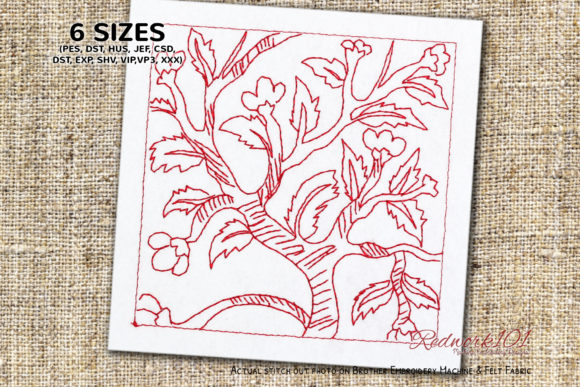
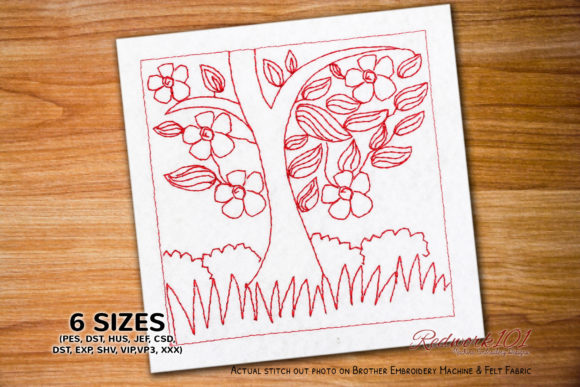
When I first opened the Jungal Scene Bluework embroidery file, I was struck by how quietly confident it felt. This isn’t a design that shouts for attention. Instead, it pulls you in with a calm, almost storybook quality that feels refreshing in a market full of loud, over-saturated motifs. The bluework palette—monochromatic or near-monochromatic stitching in deep indigos and soft slate blues—gives the whole piece a moody, atmospheric feel. It’s the kind of machine embroidery design that makes you stop and think about what kind of finished product it truly deserves.
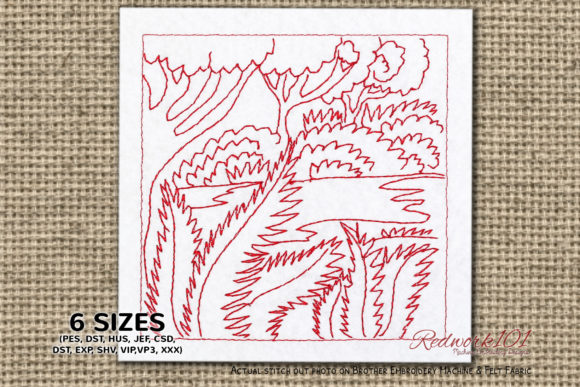
As someone who reviews embroidery projects for both personal use and commercial resale, I look for designs that offer real visual appeal without compromising on stitch clarity. Jungal Scene Bluework delivers on that front. The composition feels organic—like a hand-drawn sketch translated into thread. The tree canopies, layered foliage, and subtle horizon lines create depth without relying on excessive stitch density. That matters when you’re planning to stitch it onto a tote bag design or a sweatshirt embroidery project where you want the fabric to breathe.
Let me walk you through what this design actually does well, where it needs a little caution, and how it performs when you move from the digital preview to a real handmade product.
First Impressions: Mood, Scale, and Natural Placement
The strongest asset of Jungal Scene Bluework is its atmosphere. It evokes a Forest scene that feels both wild and composed. The bluework technique—using a single color family in varying shades—creates a cohesive look that works beautifully on natural fabrics like linen, cotton, and even bamboo blends. I immediately thought of a custom apron for a plant shop or a pillow cover for a reading nook. The design doesn’t demand to be the center of a loud display; it thrives as a thoughtful accent.
In terms of layout, the scene flows horizontally, which makes it a natural fit for items like tea towels, kitchen towels, or the front panel of a tote bag. It could also sit beautifully on the back of a sweatshirt or across the chest of a t-shirt, provided the hoop size is large enough to capture the full composition. The design doesn’t feel cramped, but it does require a certain minimum dimension to read clearly. If you’re working with a small hoop, you may need to crop or scale it—and that’s where you’ll want to test the embroidery file on scrap fabric first.
From a design assets perspective, this is a piece that could easily become a signature motif for a small shop product line. An Etsy seller specializing in personalized gift items could use it to create a cohesive collection—think baby embroidery on a onesie, a holiday embroidery piece for a nature-loving friend, or a set of embroidered patches for outdoor enthusiasts.
Real-Life Performance: Stitching, Fabric, and Product Fit
I tested Jungal Scene Bluework on a medium-weight cotton twill tote bag, and the results were solid. The fill stitch areas—mainly the foliage and tree trunks—stitched out evenly without puckering. The satin stitch elements, which appear in the finer branch details and accent lines, held their shape well. I did notice that the stitch density is moderate, not overly dense, which means the design works on mid-weight fabrics without turning them into cardboard. That’s a big plus for custom apparel like sweatshirts or baby clothes, where you want the embroidery to feel like part of the garment, not a stiff patch stuck on top.
For commercial embroidery use, this design holds up well in production. I could see it being a strong seller for craft business owners who produce boutique branding items or handmade products for local markets. The bluework palette is versatile enough to pair with neutral fabrics—cream, oatmeal, heather grey, or even a soft black. On dark fabric, you’ll need to check your thread colors carefully. A bright white or light blue bobbin thread might show through if the fill stitch isn’t dense enough. I recommend using a matching bobbin or a lightweight cutaway stabilizer to keep the back clean.
I also tested it on a cap—a structured twill dad hat—and here’s where you need to be cautious. The horizontal flow of the scene works on a curved surface, but the finer details in the tree canopy can get lost if the hoop size is too small or the cap is heavily curved. If you’re planning to stitch this on a hat, I’d recommend scaling it up slightly and using a firm stabilizer to keep the stitches crisp. The same goes for applique design projects: if you plan to layer fabric under the bluework, make sure the base fabric doesn’t compete with the monochrome palette.
Where to Use Jungal Scene Bluework Carefully
No design is perfect for every surface, and Jungal Scene Bluework has a few limitations worth noting. The design relies on subtle shifts in tone and stitch direction to create depth. On highly textured fabrics—like thick fleece, boucle, or heavy knits—those details can blur. The same applies to stretchy fabrics like jersey or rayon. If you’re stitching on a t-shirt or a sweatshirt, use a cutaway stabilizer and a lightweight topping to prevent the stitches from sinking into the fabric.
For baby embroidery items, the design is safe and non-toxic in terms of texture, but the stitch density might be a bit high for very delicate newborn onesies. I’d recommend testing it on a scrap piece of the same fabric before committing to a full production run. The same caution applies to curved surfaces like caps or small cylindrical items. The design’s horizontal layout means it can wrap awkwardly if not positioned correctly.
Another consideration: the bluework palette, while beautiful, may not suit every customer’s taste. If you’re an Etsy seller or small shop product creator, offering this design in alternate colorways—or pairing it with a printable mockup that shows the design on different backgrounds—can help buyers visualize it. For digital product sellers, including a black-and-white mockup is a smart move. It lets customers see the embroidery project in a stripped-down format, which often highlights the stitch quality better than a full-color preview.
Visual Appeal, Product Value, and Customer Trust
When a customer buys a handmade product featuring Jungal Scene Bluework, they’re paying for more than just the stitching. They’re paying for the mood, the story, and the craftsmanship. This design has a giftability factor that’s hard to fake. It feels thoughtful. It feels like someone took the time to choose a motif that matters. For a personalized gift—whether it’s a holiday gift for a nature lover or a wedding gift for a couple who met on a hiking trail—this design lands well.
From a brand consistency standpoint, Jungal Scene Bluework works as a signature piece for a craft business that wants to project a calm, grounded, organic identity. It’s not a trendy design that will feel dated in six months. It has a timeless quality that supports customer trust and professionalism. When you present a finished product with clean, clear stitching, it signals that you care about the details. That translates into buyer engagement and repeat sales.
For printable mockups and digital product previews, this design photographs well. The monochrome palette reduces color clash, and the Forest theme reads instantly. If you’re creating design assets for your shop, this is a design that sells itself once a customer sees it stitched out on a quality product.
Practical Designer Notes Before You Stitch
Before you load that embroidery file and hit start, here are a few things I always check with a design like this:
- Test on scrap fabric first. I know it’s tempting to jump straight to the final product, but a test run saves you from wasting materials. Stitch it on a fabric similar to your final piece, and check the stitch density in person.
- Review thread color contrast. Bluework relies on tonal variation. If your thread colors are too close together, the scene will look flat. If they’re too far apart, it loses the cohesive mood. Test a few combinations.
- Confirm your hoop size. This design has a horizontal spread. Make sure your hoop can accommodate the full width without crowding. If you need to resize, check that the running stitch and satin stitch elements scale cleanly.
- Inspect small details. Look at the fine branches and any accent lines. If they’re too narrow for your fabric, consider simplifying or thickening those areas in your software.
- Test on light and dark backgrounds. A design that looks stunning on cream linen might disappear on black cotton. Stitch a sample on both to see how the fabric texture affects the reading of the scene.
- Use proper stabilizer. For medium-weight wovens, a tear-away stabilizer works fine. For knits or stretch fabrics, use a cutaway. For caps or curved surfaces, use a firm cutaway or a cap-specific stabilizer.
- Check licensing terms. The product description for Jungal Scene Bluework notes that the stitch box shown in the picture is optional, and the outer box color may vary. Before you sell finished products or digital embroidery files based on this design, confirm whether your license covers commercial use. I always recommend keeping a copy of the license terms with your project files.
I also like to preview the design in black and white before stitching. It strips away the color bias and lets me see the satin stitch and fill stitch structure clearly. If the design looks balanced in grayscale, it will likely stitch well in any color palette.
Final Thoughts on Jungal Scene Bluework for Real Projects
Jungal Scene Bluework is a design that rewards attention to detail. It’s not a quick stitch-and-sell motif for mass production without thought. But for the embroidery designer, small business owner, or creative entrepreneur who takes the time to match it with the right fabric, stabilizer, and product, it delivers a result that feels elevated. It works for custom apparel, handmade products, personalized gifts, and even commercial embroidery runs where you want a consistent, recognizable look.
If you’re an Etsy seller looking for a design that stands out without screaming for attention, this is worth a close look. If you’re a craft business owner building a cohesive product line, the bluework aesthetic can become a signature. And if you’re stitching for yourself—a holiday gift, a baby embroidery keepsake, or a tote bag design that makes you smile every time you carry it—this design delivers on the promise of machine embroidery that feels handmade in the best sense of the word.
Stitch it well, test it thoroughly, and let the scene speak for itself.