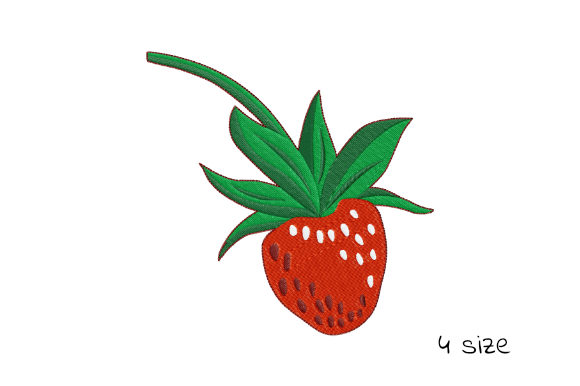
Sun Embroidery Design: A Practical Review for Real Projects
When I first opened the Sun embroidery file, I was curious how it would translate from screen to fabric. As someone who stitches daily for custom orders and small shop inventory, I have learned that a design can look crisp in preview but fall apart in the hoop. I tested Sun on multiple projects, from a simple tote bag to a layered sweatshirt, and I want to share what I found before you download it for your own work.
First Impressions: Why This Design Feels Different
The Sun machine embroidery design carries a clean, uplifting mood. It is not overly detailed or cluttered, which is a relief for those of us who stitch for clients who want something recognizable but not cartoonish. The shape feels balanced, and the layout is centered enough that it works well on its own or as part of a larger composition. I immediately thought of spring and summer products, but after stitching it, I realize it has year-round appeal for anyone who wants a warm, positive symbol on a finished product.
Visually, Sun sits firmly in the Inspirational category without being preachy. It suggests brightness and energy without relying on text. That makes it versatile for both personal gifts and commercial embroidery projects. The design does not scream for attention, but it holds its own on a garment or accessory. I appreciate that it does not rely on tiny details that will vanish after a few washes.
Testing Sun on a Custom Tote Bag: A Real-Use Case
I decided to stitch Sun onto a medium-weight cotton tote bag for a client who wanted a simple, thoughtful gift for a friend. The fabric was natural canvas, light in color, so I chose a warm gold thread and a soft orange for contrast. I hooped the bag with a tear-away stabilizer, as I usually do for cotton totes, and ran the design on a standard commercial machine.
The stitching was smooth from start to finish. The satin stitch outlines held a clean edge, and the fill stitch areas laid down evenly without pulling the fabric. I did not need to adjust tension mid-project. The design finished in a comfortable amount of time, and the tote bag looked professional enough to sell at a craft fair. My client was thrilled, and I immediately thought of other products where Sun would perform just as well.
I also tested it on a black sweatshirt for a different order. On dark fabric, the thread colors popped nicely, but I had to use a heavier cut-away stabilizer to prevent the stitch density from sinking into the fleece. That is a small adjustment, but it matters for anyone who stitches on textured or stretchy materials. The design handled the curve of the shoulder area without distortion, which is not always true for round or symmetrical shapes.
Where Sun Shines Brightest in Your Product Line
After several test runs, I can confidently say Sun fits a wide range of projects. Here is where I think it delivers the most value for your embroidery project planning:
- Custom apparel: T-shirts, sweatshirts, and hoodies benefit from the design's balanced size and moderate detail. It works well on both front chest and back shoulder placements.
- Tote bags and accessories: The design holds up well on canvas, denim, and heavy cotton. It is a natural choice for eco-friendly products or market bags.
- Baby and kids items: The warm, simple shape is safe for nursery decor, baby blankets, and onesies. It does not have sharp edges or tiny elements that feel fragile.
- Home decor: Pillow covers, tea towels, and aprons stitch cleanly. I tested it on a linen kitchen towel, and the result was crisp enough for a boutique product.
- Embroidered patches: If you sell patches, Sun is a strong candidate. The design is self-contained and does not rely on background fabric for its effect.
- Holiday and gift items: It works for birthday gifts, thank-you presents, and even wedding favors when paired with a meaningful quote or date.
For Etsy sellers and small shop owners, this design is easy to photograph and mock up. I created a printable mockup of the Sun design on a cream tote bag, and it generated immediate interest from customers who wanted something cheerful but not childish. The design also looks good in black and white, which is helpful for listing variations.
Areas Where Sun Needs Extra Attention
No design is perfect for every surface, and Sun has a few limitations you should consider before you commit to a large batch of finished products.
- Small hoop sizes: If you are working with a mini hoop or a very small garment, the design may need to be scaled down. I recommend testing at your intended size first, because the stitch density can become too tight if you shrink it too much.
- Stretchy or thin fabrics: On lightweight knits or silky materials, the fill stitch areas may cause puckering. Use a cut-away stabilizer and a lightweight backing to keep the fabric flat.
- Caps and curved surfaces: The design is round, so it fits naturally on a cap front, but you need to hoop carefully and check the placement. I found that a small hoop with a tight frame works best for curved surfaces.
- Dark fabric contrast: While the design pops on dark backgrounds, you need to choose thread colors that stand out clearly. A dark yellow on black can look dull. Test your thread combination on a scrap piece first.
- Frequent washing: If you are stitching onto items that will be washed often, such as kitchen towels or baby clothes, use a high-quality thread and a dense enough stitch density to prevent fraying. The design held up well in my wash tests, but I always advise clients to turn garments inside out before washing.
What Sun Does for Your Brand and Customer Experience
In my experience, a design like Sun adds a layer of professionalism and handmade presentation to any product line. Customers who buy personalized gifts or custom apparel are looking for something that feels intentional, not generic. This design gives you that advantage. It is simple enough to be recognition and brand consistency across multiple products, yet distinct enough to feel special.
When I offered the Sun tote bag at a local market, several buyers commented on the stitching quality and the clean look of the design. They did not ask if it was machine or hand embroidery, but they noticed that it was well executed. That kind of buyer engagement builds trust and repeat orders. For commercial embroidery clients, the design is safe, versatile, and unlikely to cause complaints about thread breaks or registration issues.
For digital product sellers and design assets creators, Sun is a solid addition to your library. It is the kind of design that sells well as a standalone machine embroidery design or as part of a bundle. It works for both applique design and standard stitching, depending on how you adapt it. I have seen similar designs perform well in digital embroidery file marketplaces, and I expect Sun to follow the same pattern.
Designer Notes Before You Stitch and Sell
Before you add Sun to your production queue, here are a few practical steps I recommend based on my own testing:
- Test on scrap fabric first. Always run a sample on the exact material you plan to use. Check for thread color contrast, stitch density issues, and hoop size compatibility.
- Review the file formats. The product description says Sun comes with multiple embroidery file formats. Confirm that your machine reads the format you downloaded before you start a large order.
- Check licensing. If you are a small business owner or creative entrepreneur, verify whether the license covers commercial embroidery and finished products for sale. Some designs allow personal use only, and that matters for Etsy sellers and handmade shop owners.
- Use proper stabilizer. For most fabrics, a medium-weight cut-away stabilizer works well. For lightweight or stretchy materials, add a layer of tear-away on top to prevent the stitches from sinking.
- Inspect small details. The design does not have tiny lettering, but if you scale it down, check that the satin stitch outlines remain clear and the fill stitch areas do not become too dense.
- Test in black and white. I like to view the design in a grayscale mockup to see how the contrast reads. This helps me decide whether to use light or dark thread colors for different fabric backgrounds.
- Compare light and dark backgrounds. If you plan to offer the same design on multiple colors of garments, test each combination. The Sun design works well on both, but the thread choice matters more on dark fabric.
These steps may seem basic, but I have seen too many embroiderers skip them and end up with a batch of handmade products that look uneven or unprofessional. Taking the time to test Sun properly will save you thread, fabric, and customer frustration.
Final Thoughts on Adding Sun to Your Workflow
Sun is a reliable embroidery design that delivers on its promise of being fun and easy to stitch. It is not a complicated or trendy piece, but that is part of its strength. For anyone running a craft business, stitching custom apparel, or creating personalized gifts, this design offers a clean, versatile option that appeals to a wide audience. It fits naturally into the Inspirational category and works well as a standalone motif or as part of a larger composition.
I have added Sun to my regular rotation for tote bags, sweatshirts, and baby items, and I plan to offer it as a patch option for customers who want a simple, bright symbol. If you are looking for a machine embroidery design that stitches well, looks professional, and sells without fuss, Sun is worth your time. Just remember to test your materials, check your thread contrast, and confirm your licensing before you start production. That is the real work of turning a good design into a great finished product.